

How to Buy Clean Ashwagandha Supplement Online
Last Updated: November 2, 2026
Quick Summary
To buy clean ashwagandha supplement online, check the label for four verifiable facts: USDA Organic certification, a named root extract, a stated withanolide percentage, and third-party testing for contaminants. A clean ashwagandha label is not a marketing word but a set of checkable facts printed on the bottle.
- A certificate of analysis should show heavy metals, microbials, residual solvents, and potency, plus a batch number.
- Match the COA lot number to the bottle and look for a test date within the last 12 months.
- Standardized root extract beats plain root powder because the withanolide dose is predictable batch to batch.
- The single bottle of organic Ashwagandha is $29.95 and the 90-day supply is $84.99.
- Stop ashwagandha about two weeks before a scheduled procedure because of sedative and blood-sugar effects.
Table of Contents
- What 'Clean' Actually Means on an Ashwagandha Label
- Why Third-Party Tested Ashwagandha Matters More Than Marketing
- Ashwagandha Root Powder vs Extract: Which Form to Buy
- Matching Ashwagandha Dosage for Stress to the Label
- Ashwagandha Supplement Side Effects and Who Should Skip It
- Comparing Price Per Serving and Subscription Options
- Choosing Your Clean Ashwagandha Supply
- Frequently Asked Questions
What 'Clean' Actually Means on an Ashwagandha Label
A clean ashwagandha label is one where every claim can be verified: USDA Organic certification, a named root extract, a stated withanolide percentage, and third-party testing for contaminants. "Clean" is not a marketing word.
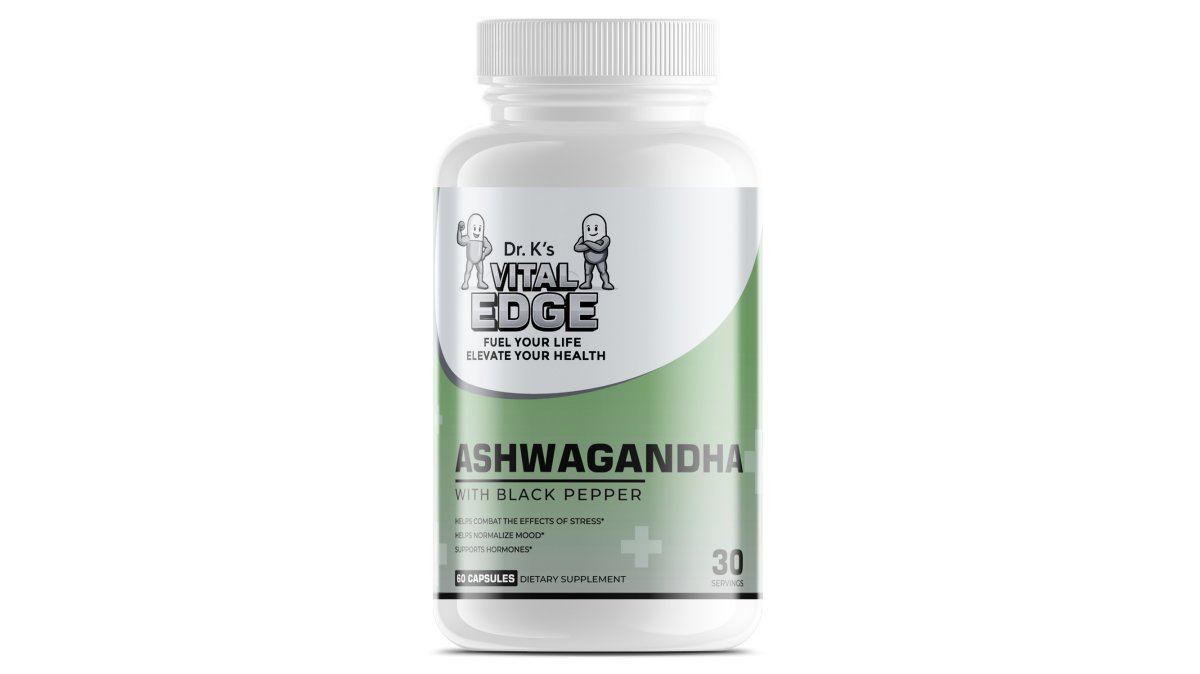
If you want to buy clean ashwagandha supplement online, the label is your only real evidence before purchase, so learn to read it like a spec sheet.

Here is what most guides get wrong: they treat "organic" and "clean" as synonyms. Organic covers how the root was grown.
Four things belong on a genuinely clean label:
- Certification: USDA Organic, with a certifier you can look up.
- Extract identity: "root extract" rather than a vague "root powder blend."
- Standardization: a stated withanolide percentage, so dose comparisons are fair.
- Testing: a named third-party lab or a published certificate of analysis.
Miss any one of these and you are buying a story, not a supplement. For a step-by-step walkthrough of decoding the rest of the panel, see our guide on how to read a supplement label without the guesswork.
Why Third-Party Tested Ashwagandha Matters More Than Marketing
Third-party tested ashwagandha has been screened by a lab that does not work for the brand. That independence is the entire point.
The FDA's dietary supplement guidance places the burden of safety and label accuracy on the manufacturer, but the agency does not test products before they reach shelves. That gap is exactly what third-party testing fills.
What should the test cover? At minimum, four panels:
- Heavy metals: lead, arsenic, mercury, and cadmium. Ashwagandha is a root crop, so soil contamination is a real risk.
- Microbials: total aerobic count, yeast and mold, E. coli, and Salmonella.
- Residual solvents: relevant if the root was extracted with ethanol, hexane, or another solvent rather than water.
- Potency: confirmation that the withanolide percentage printed on the label matches what is actually in the batch.
A certificate of analysis (COA) should show all four, plus the batch or lot number it applies to. Ask for it before you buy; a brand that cannot produce one is telling you something.
How to verify a COA instead of trusting a badge
A "lab tested" badge with no lab name and no downloadable report is decoration. Useful testing is verifiable, dated, and tied to a batch number. Here is the check most buyers skip:
- Match the lot number. The COA must reference the same lot code printed on the bottle you are holding. A generic COA that covers "ashwagandha" with no lot number proves nothing about your bottle.
- Confirm the lab is independent. The testing lab should be a separate company from the brand, ideally ISO/IEC 17025 accredited. That accreditation is the international standard for testing-lab competence, and accredited labs list their scope publicly.
- Check the date. A COA from three years ago does not describe this year's harvest. Look for a test date within the last 12 months.
- Read the actual numbers, not just the pass/fail. A heavy-metals panel should list a measured result and a limit, not just a checkmark. "Pass" without a number is not a result.
- Look for the withanolide figure. If the label claims a standardized percentage, the COA should confirm it. If the COA is silent on potency, the standardization claim is unverified.
What testing does not tell you
Testing confirms a batch is free of the contaminants on the panel and matches its stated potency. It does not confirm the herb was grown organically, that the extract was made the way the label implies, or that the product works. Those are separate claims that need separate evidence, organic certification for the first, a named extract and stated standardization for the second, and human studies for the third.
If you want the full label-decoding process, our guide on how to read a supplement label without the guesswork walks through the rest of the panel.
Ashwagandha Root Powder vs Extract: Which Form to Buy
Root powder is ground, dried ashwagandha root. Extract is root material processed and standardized to a set concentration of withanolides, the active compounds.
That is the short answer. The longer one matters if you care about what you are actually swallowing.
Raw root powder delivers a broad spread of plant compounds, but the withanolide content varies by harvest, so two scoops from different batches may not match. A standardized extract states its concentration, which makes fair comparison possible. This is why a 600 mg capsule of extract and a 600 mg capsule of plain powder are not the same purchase, even at the same price.
National Institutes of Health Office of Dietary Supplements fact sheets are a useful neutral reference for what is and is not established about ashwagandha's active compounds.
Form also affects absorption. Our organic Ashwagandha with black pepper pairs 600 mg of root extract with black pepper extract. If you want the reasoning behind that pairing, read ashwagandha with black pepper: benefits and how to use it.
Ashwagandha (ORGANIC) 90-days →
Capsules suit a fixed daily dose; powder suits people who want to stir it into a drink and accept the taste. Tablets are the least flexible of the three, since they cannot be opened or split.
Matching Ashwagandha Dosage for Stress to the Label
Find the milligrams per serving and the withanolide percentage first, then decide whether the serving matches what you intend to take.
A serving size that requires three capsules to hit the stated dose is a hidden cost. So is a label that lists 600 mg of "root blend" without saying how much is extract. Compare products on milligrams of standardized extract per serving, not on capsule count.
MedlinePlus herbal supplement overview is a reasonable starting point for general safety context, though dosing decisions belong with your own clinician.
Consistency beats timing. Many people take ashwagandha in the morning for daytime stress support or in the evening if sleep is the concern. Missing a day will not undo progress, but sporadic use will not give you a fair test of whether it works for you.
Ashwagandha Supplement Side Effects and Who Should Skip It
Ashwagandha supplement side effects are usually mild: digestive upset, drowsiness, or headache in some people. The bigger issue is who should not take it at all, and why.
Common side effects and what drives them
Drowsiness is the other frequent report, which is why timing matters: a dose taken in the morning can feel sedating to some people, while the same dose in the evening is fine.
A less common but more serious concern is liver-related. A small number of case reports have described liver injury in people taking ashwagandha, and the pattern is rare enough that it does not change the risk calculus for most users but is worth knowing if you have existing liver disease or take other liver-metabolized medications. Stop use and talk to a clinician if you notice jaundice, dark urine, or unexplained fatigue.
Who should skip it, and the mechanism behind each
- Pregnancy and breastfeeding: ashwagandha has not been established as safe in pregnancy, and it can affect hormone signaling. Skip unless a clinician clears it.
- Thyroid conditions: ashwagandha can raise thyroid hormone levels in some people. If you have hyperthyroidism or take thyroid medication such as levothyroxine, this is a conversation for your prescriber, not a label.
- Sedatives and sleep medications: the drowsiness effect can compound with benzodiazepines, sleep aids, or alcohol.
- Immunosuppressants and autoimmune conditions: ashwagandha can stimulate immune activity, which may work against immunosuppressive therapy.
- Hormone-sensitive conditions: because ashwagandha can affect cortisol and other hormones, people with hormone-sensitive conditions should ask before starting.
- Upcoming surgery: because of sedative and blood-sugar effects, most practitioners advise stopping about two weeks before a scheduled procedure.
How to raise it with a clinician
Interactions are a conversation for your prescriber, not a label. A useful script: name the product, the dose, and the reason you are taking it, then ask specifically whether it interacts with anything on your medication list. If you take prescription medication for anxiety, sleep, thyroid, or blood sugar, do not add ashwagandha quietly.
Comparing Price Per Serving and Subscription Options
Price per serving is the only fair way to compare ashwagandha products. Divide the bottle price by the number of servings, then check whether the serving delivers a standardized dose.
The single bottle of organic Ashwagandha is $29.95. The 90-day supply is $84.99. That is the honest trade: commitment in exchange for a better unit price.
| Option | Price | Best For | Trade-off |
|---|---|---|---|
| Single bottle | $29.95 | First-time buyers testing tolerance | Highest cost per serving |
| 90-day supply | $84.99 | Daily users who have committed | Larger upfront spend |
| Sleep & Stress Bundle | Bundle pricing | Stress plus sleep complaints | Two formulas to track |
A short trial bottle is the right first purchase. Upgrade to the 90-day supply once you know the routine sticks, because consistency is what makes the cost per serving meaningful.

Choosing Your Clean Ashwagandha Supply
Choosing a clean ashwagandha supply comes down to four checks: organic certification, a named standardized root extract, independent contaminant testing, and a dose you will actually take daily. Everything else is packaging.
Our view is simple. Buy the smallest bottle first, verify the label against the four checks above, and only then commit to a longer supply. A supplement you stop taking is the most expensive one you can buy.
Frequently Asked Questions
What should I look for in a clean ashwagandha supplement?
Start with the label: it should name the plant part (root), the extract type, and the withanolide percentage. Look for USDA Organic certification and a statement that the product is third-party lab tested for purity and potency. Avoid formulas with long lists of fillers, artificial colors, or proprietary blends that hide the dose. A clean ashwagandha supplement lists every ingredient clearly so you can compare milligrams and cost per serving without guesswork.
How can I tell whether an ashwagandha supplement is third-party tested?
Check the bottle or product page for a certificate of analysis (COA) or a testing claim that names the lab. Reputable brands publish COAs showing heavy metal, microbial, and potency results. If a brand only says 'lab tested' without details, ask for the COA. Third-party tested ashwagandha should show a withanolide content that matches the label, and contaminant screening for lead, arsenic, and mercury, which ashwagandha root can absorb from soil.
How much ashwagandha should I take daily for stress?
Dr. K's Vital Edge delivers 600 mg of organic ashwagandha root extract per serving with black pepper extract. Start at the lower end if you are new to adaptogens and take it consistently for at least four weeks. Ashwagandha dosage for stress is not a one-time fix; daily use builds the effect. Check with your doctor if you take medication.
Can ashwagandha supplements cause side effects or interact with medications?
It may interact with thyroid medication, sedatives, blood pressure drugs, and immunosuppressants. Avoid it if you are pregnant or breastfeeding, or if you have an autoimmune thyroid condition, unless your doctor approves. Because it can lower cortisol and blood sugar, monitor how you feel and speak to your healthcare provider before combining it with prescriptions.
Most ashwagandha shoppers are guessing at quality from a product photo. You do not have to. Dr. K's Vital Edge formulates with 600 mg of organic root extract, black pepper for absorption, third-party lab testing, and USDA Organic certification, so the label answers the questions before you ask them. Get started with Dr. K's Vital Edge and build a stress support routine you can actually verify.
